The Origins of Gambling and Early Casinos
The history of casinos can be traced back to ancient civilizations where gambling was a popular pastime. Archaeological evidence suggests that as far back as 3000 BC, the Chinese were playing games of chance with tiles and dice. The concept of betting on the outcome of an event was not only a source of entertainment but also a reflection of societal values and cultural practices. In ancient Rome, betting on gladiatorial games became commonplace, demonstrating the deep-rooted connection between entertainment and wagering. Many modern betting platforms, such as https://pinco-pari.ca/, echo these historical roots by offering diverse gaming experiences.
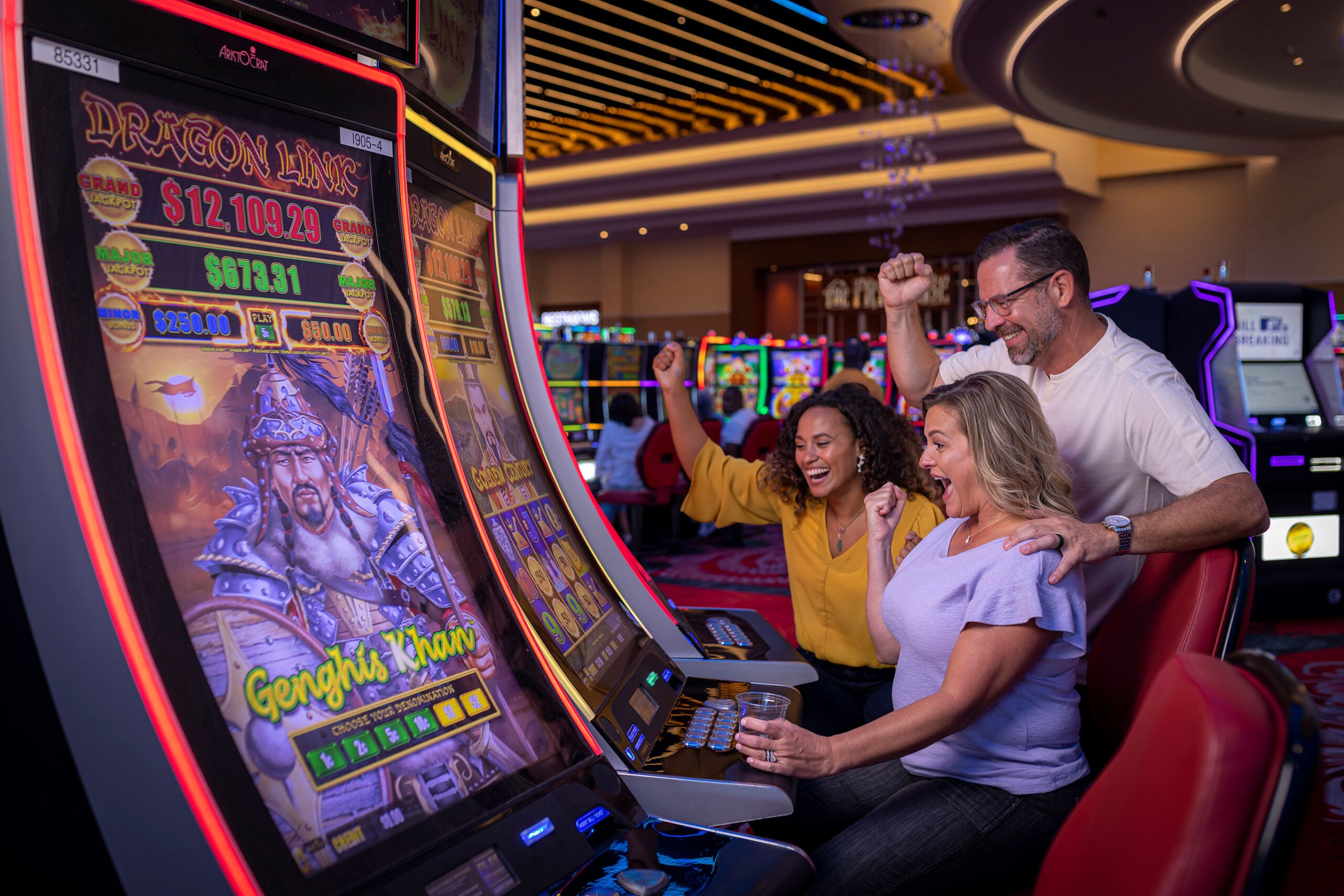
As societies evolved, so did the forms of gambling. By the Middle Ages, the first gambling houses emerged in Italy, particularly in Venice. These establishments set the foundation for what we now recognize as casinos. The term ‘casa’ in Italian translates to ‘house’, which was emblematic of the safe space where people could come together to gamble. This era marked a significant shift as gambling became formalized in dedicated venues, allowing for more structured play and the introduction of games such as card play and dice games. Today, Pinco Casino Pari captures that spirit of community and engagement.
The Rise of Modern Casinos in the 19th Century
The 19th century brought a wave of transformation to the gambling landscape, particularly with the establishment of the first official casinos. Monte Carlo, in Monaco, became the hallmark of opulence and luxury, attracting wealthy patrons from across Europe. This period saw the introduction of iconic games like roulette and blackjack, which quickly became favorites among gamblers. The allure of casinos was not just about the games; it was also about the glamorous ambiance, music, and social interaction, making it a cultural phenomenon.
In the United States, the legalization of gambling began to take shape in the early 1900s, with Nevada leading the charge. Las Vegas, originally a small desert town, transformed into a bustling entertainment hub, known for its grand casinos and extravagant shows. This city epitomized the American dream, where fortunes could be won or lost in the blink of an eye, fueling a cultural fascination with luck and chance that persists today.
The Influence of Technology on Gaming
The latter part of the 20th century witnessed a significant shift in the casino industry due to advancements in technology. The introduction of electronic gaming machines revolutionized the gambling experience, offering faster gameplay and a variety of options for players. Slot machines, once mechanical contraptions, evolved into digital interfaces that provided engaging graphics and sound effects, attracting a broader audience.
Furthermore, the rise of online casinos in the early 2000s marked a pivotal point in gaming culture. Players no longer needed to travel to physical locations; instead, they could access their favorite games from the comfort of their homes. This shift not only expanded the reach of gambling but also changed the way people viewed risk and reward in a digital landscape. As technology continued to evolve, mobile gaming apps emerged, creating even greater accessibility for a new generation of gamblers, including those interested in Pinco Pari Canada.
The Psychology Behind Gambling Behavior
Understanding the psychology of gambling is crucial in comprehending the enduring popularity of casinos. The thrill of risk, the allure of potential winnings, and the social aspects of gambling create a complex web of motivations for players. Behavioral economics has shown that the unpredictability of outcomes can trigger dopamine releases in the brain, reinforcing the desire to continue playing.
Moreover, casinos are designed to enhance this experience. From the layout of the gaming floor to the sounds and lights, every aspect is crafted to keep players engaged. The concept of “near misses,” where players almost win, can further encourage continued play, leading to what is known as the “gambler’s fallacy.” This psychological interplay between chance and control significantly influences gambling behavior, underscoring the need for responsible gaming practices.

Contemporary Casinos and Their Future
Today’s casinos are a blend of tradition and innovation, continuing to adapt to the preferences of modern players. With the rise of online platforms and mobile applications, many brick-and-mortar establishments are enhancing their offerings to include virtual gaming experiences. This not only helps in retaining existing customers but also in attracting a younger demographic that values convenience and digital engagement.
As the industry moves forward, the focus is increasingly shifting towards sustainability and responsible gaming. Initiatives aimed at promoting safe gambling practices and reducing the negative impacts of gambling addiction are becoming integral parts of the casino experience. The future of casinos lies in balancing entertainment with social responsibility, ensuring that gaming culture remains a positive force in society.